
What players say
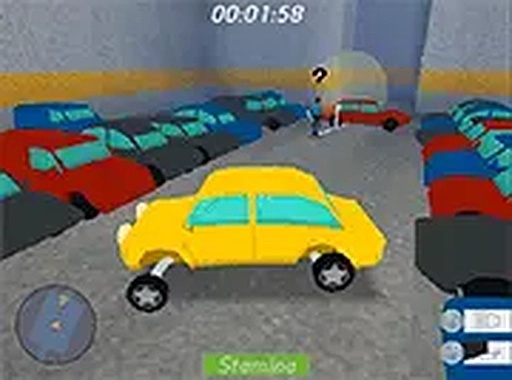
Stealthy Parking Lot Escape successfully transforms a mundane setting into an engaging puzzle. The core mechanic of blending in with parked cars is simple but effective, creating genuine tension. The gradual increase in guard patrol complexity keeps the challenge fresh without becoming unfair. Its clean visual style and clear audio cues make it easy to learn but difficult to master. A recommended free time-killer for puzzle fans.
About this game
Core Stealth Mechanics
The primary gameplay loop revolves around moving a yellow car through a series of interconnected parking decks. Success depends on observing the patrol routes of security guards and using ordinary parked cars as visual cover. When a guard approaches, the player must stop moving to blend in, mimicking the behavior of a regular parked vehicle. This creates a tense rhythm of movement and stillness.
Environmental Puzzle Design
Each parking level presents a unique spatial puzzle. The layout of ramps, pillars, and rows of cars creates natural corridors and hiding spots. Players must analyze the environment to find the safest path to the exit, often waiting for patrols to pass before making a dash. The challenge increases as the complexity of the guard patterns grows.
Visual and Audio Atmosphere
The game uses a clean 3D visual style that clearly communicates guard positions and potential hiding spots. The audio cues, such as the sound of footsteps or a guard's radio, provide additional information about enemy proximity. This combination of visual and audio feedback allows players to make informed decisions without needing a complex interface.
Progression and Challenge Curve
As players advance, the parking lots become larger and more intricate. Guard patrol routes become less predictable, requiring more careful observation and planning. The game introduces new obstacles, such as moving vehicles or security cameras, which demand even greater precision. This gradual increase in difficulty keeps the experience engaging without becoming frustrating.
Controls and Accessibility
The game is designed for keyboard and mouse input on a desktop computer. Simple directional controls allow for precise movement through tight spaces. A full-screen mode is available to minimize distractions and improve visibility of the entire level. The interface is minimal, focusing the player's attention on the gameplay itself.






Player comments
Sign in to comment
You must be logged in before posting a review or rating.
No account? Create one
No comments yet. Be the first to comment!