
What players say
Form Fusion 17 succeeds by keeping its concept simple while offering real strategic depth. The clean interface and responsive controls make it easy to pick up, but the limited moves and scarce shuffle options force players to think ahead. Each game feels like a fresh challenge, and the lack of timers creates a relaxed pace. It is an excellent choice for anyone looking for a mental workout that does not demand quick reflexes. The game respects the player's time and intelligence, delivering a polished puzzle experience.
About this game
Core Gameplay Loop
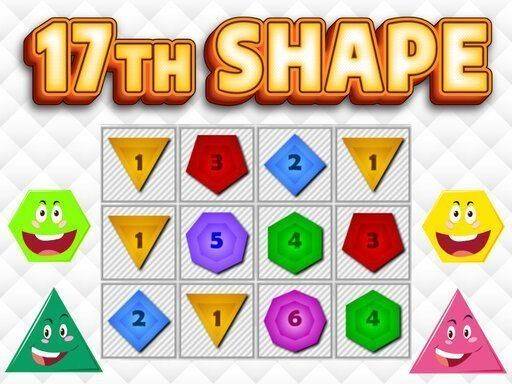
Form Fusion 17 centers on a simple yet engaging mechanic: moving shapes around a grid. Players can slide any shape up, down, left, or right using keyboard arrows, touch gestures, or mouse drags. When two shapes of the same type collide, they combine into a single, more complex form. This process repeats, with each new shape bringing the player closer to the seventeenth and final form. The challenge lies in the limited number of moves available, forcing thoughtful decisions about each slide.
Strategic Depth
While the controls are straightforward, the game requires genuine strategic thinking. Players must anticipate how shapes will interact after each move. A careless slide can separate matching forms or block future combinations. The game provides a few shuffle and regroup options to help when the board becomes cluttered, but these are scarce. Using them at the right moment can mean the difference between success and failure. This scarcity encourages players to plan several moves ahead, much like a chess player thinks through a sequence.
Visual and Interaction Design
The interface is clean and uncluttered, with shapes rendered in distinct colors and outlines for easy identification. The board remains the focal point, free from distracting animations or intrusive menus. Controls respond smoothly to input, whether on a desktop or mobile device. This simplicity makes the game accessible to younger players and those new to puzzles, while the underlying logic keeps experienced players engaged. The lack of timers or pressure creates a relaxed atmosphere suitable for short sessions or extended play.
Progression and Endgame
Each session begins with a fresh board of shapes. The player works toward merging up to the seventeenth form, which represents the ultimate goal. If the board becomes too crowded or moves run out, the game ends. This structure encourages repeated attempts, as each playthrough offers a new layout and requires different strategies. The game does not include levels or scores, focusing instead on the pure satisfaction of solving a spatial puzzle. This design makes it ideal for quick mental breaks or longer periods of focused problem-solving.









Player comments
Sign in to comment
You must be logged in before posting a review or rating.
No account? Create one
No comments yet. Be the first to comment!